The Evolution of Cha-Cha-Cha and Merengue
Latin dance floors around the world pulse with energy, joy, and rhythm. Among the most beloved styles are cha-cha-chaand merengue—two dances with distinct origins, yet united in their ability to bring people together. Both carry deep cultural histories, reflecting the creativity and spirit of the Caribbean.
The Cha-Cha-Cha: Cuba’s Playful Gift to the World
Origins in Cuba
The cha-cha-cha was born in Havana during the early 1950s, created by Cuban violinist and composer Enrique Jorrín. At the time, the danzón—a stately ballroom dance with roots in European contradance—was still popular in Cuba. Jorrín, who played with the band Orquesta América, noticed that audiences struggled with the complex syncopations of danzón-mambo, a style that combined danzón and mambo influences.
To make the music more accessible, Jorrín simplified the rhythm and melody. Dancers responded by adding a triple step to the beat—cha-cha-cha—which mimicked the sound of shuffling feet on the floor. The name stuck, and a new dance craze was born.
Characteristics of the Dance
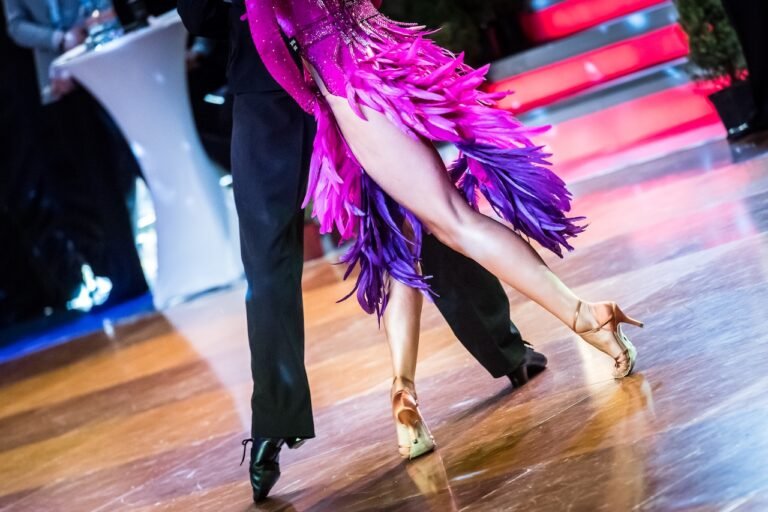
The cha-cha-cha is danced in 4/4 time, with a distinctive syncopated rhythm. The basic step is a combination of two slower steps followed by a quick triple step: two, three, cha-cha-cha. Its playful, flirtatious style made it instantly popular.
International Popularity
By the mid-1950s, cha-cha-cha had spread from Cuba to Mexico, the United States, and Europe. Ballroom studios around the world adopted it as part of the Latin dance syllabus. Unlike the mambo, which could be challenging for beginners, the cha-cha-cha’s lighthearted rhythm and accessible steps made it a universal favorite.
Today, cha-cha-cha remains a staple of both social and competitive dance, embodying Cuban charm and musicality.
Merengue: The National Dance of the Dominican Republic
Folkloric Origins
Merengue traces its roots to the Dominican Republic in the mid-19th century. Its exact origins are debated, but it likely emerged from the blending of African rhythms with European musical influences such as the French contredanse and Spanish folk dances.
One popular legend tells of a war hero who returned from battle with an injured leg. At a celebration, townspeople danced while limping in solidarity, creating the distinctive side-to-side motion of merengue. While folkloric, the story captures merengue’s essence of unity and resilience.
Musical Development
Traditional merengue ensembles, known as conjuntos típicos, included instruments like the tambora (a two-headed drum of African origin), the güira (a metal scraper of Taíno heritage), and the accordion (introduced by Europeans). This unique combination reflected the Dominican Republic’s multicultural identity.
By the early 20th century, merengue became a national symbol, especially under dictator Rafael Trujillo, who promoted it as part of Dominican cultural pride. Though controversial for its political ties, this push elevated merengue from rural communities to the international stage.
Characteristics of the Dance
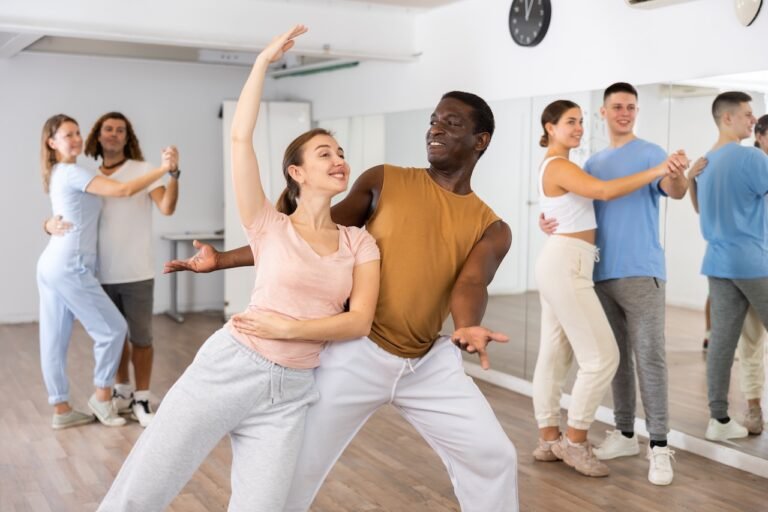
Merengue is typically in 2/4 time with a driving, steady beat. The dance is simple yet dynamic: dancers move side-to-side, often in a closed hold, with hips swaying naturally to the rhythm. Its accessibility makes it a favorite at parties and social gatherings, allowing anyone to join the fun.
Global Reach
By the 1970s and 1980s, merengue bands like Juan Luis Guerra y 440 and Wilfrido Vargas helped bring the music to worldwide audiences. Today, merengue is celebrated not just in the Dominican Republic, but across Latin America, the U.S., and beyond.
Conclusion
Both cha-cha-cha and merengue showcase the creativity of the Caribbean—born from cultural fusion, nurtured by local communities, and spread across the world through the joy of dance.
- Cha-cha-cha, with its Cuban elegance and playful shuffle, reflects Havana’s mid-20th-century dance halls and their innovations.
- Merengue, rooted in the Dominican Republic, embodies resilience, national pride, and the heartbeat of its people.
Together, they remind us that dance is more than movement—it’s history, identity, and shared celebration.