The Many Flavors of Salsa: Styles, Origins, and What Beginners Can Expect
Salsa is one of the most dynamic and joyful forms of social dance in the world. Rooted in Afro-Cuban rhythms and enriched by Latin and jazz influences, salsa has evolved into many distinct regional styles—each with its own flavor, musicality, and movement quality. Whether you’re drawn to its rhythmic pulse or its social energy, salsa offers a welcoming community and an endlessly rewarding dance experience.
The Origins of Salsa
Salsa music and dance emerged from the cultural fusion of African and Caribbean rhythms with Latin jazz and Cuban son. In the 1940s and 1950s, Cuban and Puerto Rican musicians in New York City began blending these influences, and the modern form of salsa took shape. Over time, local dance scenes around the world adapted the style, giving rise to unique interpretations and techniques.
The Main Styles of Salsa
1. Cuban Salsa (Casino)
Cuban salsa, also known as Casino, is the oldest and most circular form of salsa. Dancers move around each other in fluid, circular patterns rather than in a straight line. The movements are playful and often include body isolations, intricate arm work, and rhythmic improvisation.
- Musical timing: On1 (dancers step on the first beat of the music).
- Feel: Earthy, grounded, and highly rhythmic.
- Unique feature: Often danced in a group circle called Rueda de Casino, where partners rotate and a caller announces synchronized moves.
2. LA-Style Salsa (On1)
Developed in Los Angeles in the 1990s, LA-style salsa is known for its flash, precision, and performance quality. It’s danced in a linear pattern—meaning partners move forward and backward along a “slot.”
- Musical timing: On1 (the break step happens on the first beat).
- Feel: Sharp, energetic, and showy, with dramatic dips, spins, and tricks.
- Unique feature: Strong emphasis on musical breaks, styling, and synchronization with the music’s hits and accents.
3. New York-Style Salsa (On2 or Mambo)
New York-style salsa, also known as Mambo On2, was popularized by legendary dancer Eddie Torres. It has a smoother, more elegant feel than LA-style, with a deeper connection to the music’s rhythm and phrasing. Dancers “break” or change direction on the second beat of the music.
- Musical timing: On2 (the second beat is accented).
- Feel: Smooth, sophisticated, and musical.
- Unique feature: Emphasis on rhythm interpretation and body movement, giving it a more soulful, jazz-influenced character.
4. Colombian Salsa (Cali Style)
Originating in Cali, Colombia—the “Salsa Capital of the World”—this style is fast, energetic, and footwork-driven. Dancers use quick, precise steps with minimal upper-body movement, allowing them to keep up with extremely fast-paced salsa music.
- Musical timing: On1 (usually).
- Feel: Athletic, fast, and celebratory.
- Unique feature: Lightning-fast footwork and turns performed to high-tempo salsa tracks.
5. Puerto Rican Salsa
Puerto Rican salsa shares elements with both LA and New York styles but often features more fluid movements and expressive body isolations. It can be danced On1 or On2, depending on regional preference.
- Musical timing: On1 or On2.
- Feel: Graceful, fluid, and deeply connected to the music’s phrasing.
- Unique feature: Elegant turns and body motion reflecting Puerto Rico’s musical heritage.
What to Expect in a Beginner Salsa Class
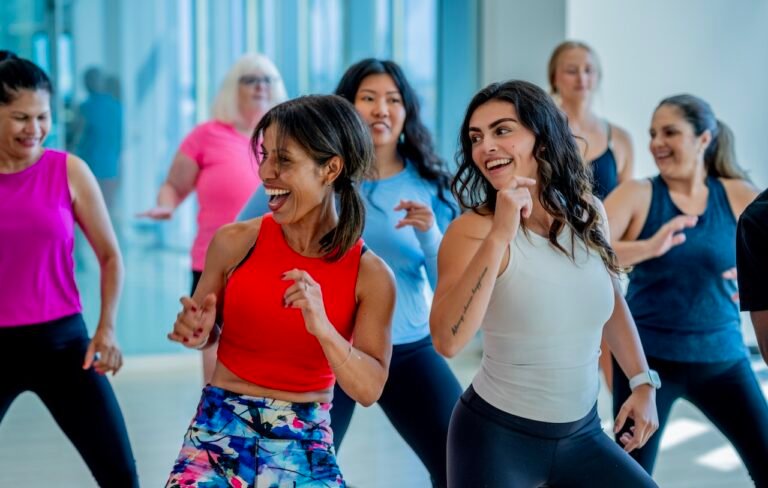
If you’re stepping onto the dance floor for the first time, a beginner salsa class will introduce you to the foundations of timing, rhythm, and movement. Here’s what you can expect to learn:
- Basic Step Patterns: You’ll start with the core step—forward and back or side-to-side—depending on the style. The focus is on learning to hear and move with the music’s rhythm.
- Turns and Partner Connection: Beginners practice right and left turns, as well as how to lead and follow with gentle, clear signals.
- Timing and Musicality: Instructors help you understand how to count the beats of salsa music (usually in 8-counts) and how to “break” on the correct beat (On1 or On2).
- Posture and Body Movement: You’ll learn how to maintain good dance posture, relax your arms and shoulders, and develop the subtle hip and torso motion that gives salsa its natural flow.
- Social Dance Etiquette: Salsa is a community dance, so you’ll also learn how to switch partners, communicate on the floor, and enjoy dancing in a respectful, inclusive environment.
Most importantly, a beginner salsa class is about having fun, connecting with others, and embracing the joy of movement. Every dancer—no matter how experienced—started with those same first steps, and the journey is as rewarding as the destination.
Join the Community at Alegre Latin Dance
At Alegre Latin Dance in Greensboro, North Carolina, we believe salsa isn’t just a dance—it’s a celebration of culture, rhythm, and community. Our beginner-friendly classes welcome everyone, no matter your experience level. You’ll learn the basics in a supportive environment while meeting new people and discovering the vibrant world of Latin dance.
Whether you’re looking to try something new, stay active, or simply have fun, we invite you to join us for an upcoming Latin Dance Social or class. Come dance with us, and experience the joy, connection, and energy that make salsa truly unforgettable. For more information on our socials and salsa classes, visit: https://alegrelatindancegreensboro.com/latin-dance-socials/